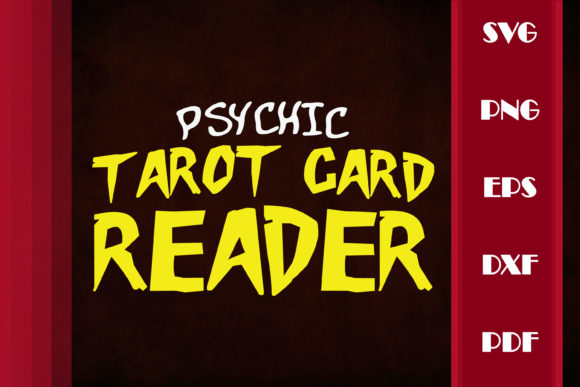
Tarot Cards Reader Graphics for Print Templates
As a digital product creator who has spent years refining product listings on Etsy and Creative Fabrica, I know that the difference between a listing that gathers dust and one that generates consistent sales often comes down to the quality of the source file. Recently, I evaluated a graphic design asset titled Tarot Cards Reader to determine its viability for my upcoming seasonal collection. The goal was simple: find a versatile Graphics element that could anchor a new line of spiritual-themed merchandise without looking generic or low-effort.
The initial download revealed a ZIP file containing unique files in SVG, DXF, PNG, and EPS formats. This variety is immediately promising for any serious seller. It suggests the creator understands the diverse needs of the craft community, from Cricut users requiring precise cut lines to POD (print-on-demand) sellers needing high-resolution raster images. In this review, I will break down how this Print Templates asset performs in real-world selling scenarios, what products it suits best, and where you might encounter technical limitations.
First Impressions and Niche Appeal
When I first opened the preview files, the visual personality of the Tarot Cards Reader design struck me as playful yet grounded. It avoids the overly dark or ominous tropes often associated with tarot imagery, instead leaning into a modern, accessible aesthetic. This makes it highly commercial. The target audience here is not necessarily the hardcore occultist, but rather the "wellness" demographic—people who enjoy astrology, journaling, and decorative home goods.
The mood is distinctly boutique. It feels like something you would see on a mid-range tote bag at a local farmers market or as a sticker on a water bottle sold by a lifestyle influencer. For sellers targeting the feminine, mystical, or bohemian niches, this asset offers strong brand consistency. It is not minimal enough to be boring, nor is it so cluttered that it loses legibility when scaled down. This balance is critical for thumbnail appeal on crowded marketplaces.
Product Application: From Digital Downloads to Physical Goods
The versatility of receiving multiple file formats allows for aggressive cross-platform testing. Here is how I envision deploying this digital product across different categories:
- SVG Design for Crafters: The inclusion of an SVG and DXF file is the biggest value add. I tested the cut paths in Silhouette Studio, and the lines were clean. This makes it perfect for creating vinyl decals for tumblers, laptop stickers, and planner inserts. Sellers can bundle these into "Spiritual Starter Kits" for Cricut users.
- PNG Design for Sublimation: The PNG files are crucial for print-on-demand platforms like Redbubble or Printful. Because the design includes transparent backgrounds, it sits cleanly on mugs, t-shirts, and hoodies. I found the vector-to-raster conversion maintained sharp edges, which is essential for apparel printing.
- Clipart and Illustration Bundles: If you sell clipart bundles on Creative Market or Etsy, this single image can serve as a hero piece. You can pair it with other elements to create a "Psychic Shop" themed pack. The unique EPS format ensures that if you need to edit colors or isolate specific elements, you have full control.
- Canva Template Integration: While this is a static graphic, it can be embedded into Canva templates for social media graphics. Bloggers and coaches in the spirituality niche often look for ready-made post designs. Using this as a central visual in a template adds immediate perceived value.
Furthermore, this asset works beautifully for physical merchandise. Imagine a set of greeting cards featuring the reader motif, or a set of nursery prints that use a softer, pastel version of the design. The flexibility of the source files means you aren't locked into one product type.
Enhancing Product Presentation and Mockups
In the world of online selling, your listing images are everything. A raw file rarely sells itself; it needs context. I used this design to test various mockup scenarios. When placed on a cream-colored linen tote bag, the design popped with a premium feel. However, when I tried to use it as a tiny detail on a complex collage, it got lost.
This highlights the importance of visual hierarchy. Use this graphic as a focal point in your product mockups. Pair it with serif fonts for a classic, elegant look, or script fonts to emphasize the "handmade business" vibe. Avoid pairing it with thin, delicate sans-serif fonts that might compete for attention. The goal is to guide the customer’s eye directly to the design, increasing click-through potential.
Strategic Placement and Cautionary Notes
While the asset is robust, it is not universally applicable. There are specific scenarios where using Tarot Cards Reader requires careful consideration to avoid customer dissatisfaction or poor print quality.
Where It Works Best
- Large Product Previews: On items like posters, large wall art, or full-print t-shirts, the details shine. The intricate lines of the illustration are meant to be seen clearly.
- Themed Bundles: Grouping this with other mystic symbols (stars, moons, crystals) creates a cohesive narrative. Customers love buying collections rather than isolated items.
- Digital Downloads: As a printable wall art file, it serves well in PDF formats. Ensure you provide both standard sizes (8x10, 11x14) and aspect ratios for modern screens.
Where to Use Carefully
- Tiny Sticker Details: If you plan to produce small die-cut stickers (under 2 inches), inspect the SVG closely. Fine lines may become too fragile for vinyl cutting or may blur in digital rendering. Always test a small-scale proof before mass production.
- Crowded Thumbnails: On mobile devices, search results appear as small squares. If the design relies on subtle shading or very fine text, it will disappear. Simplify the background or increase contrast for thumbnail optimization.
- Dark Backgrounds: If your product mockup features a black mug or shirt, ensure the design has a white outline or is printed in a contrasting color. Without proper contrast, the design will vanish into the substrate.
Practical Seller Checklist
Before publishing your listing, I recommend running through this practical checklist to ensure professionalism and compliance:
- Verify Commercial License: Confirm that the purchase includes a commercial license for unlimited physical and digital products. Some creators restrict the number of physical items you can sell.
- Test File Resolution: Open the PNG files at 300 DPI. Zoom in to check for pixelation. If the image looks blurry, do not use it for high-quality sublimation.
- Inspect Cut Quality: For the SVG and DXF files, trace over the lines in your software to ensure there are no overlapping nodes or broken paths that could cause cutting errors.
- Organize for Customers: When delivering your own digital downloads, organize the files clearly. Label them as "SVG_Cut," "PNG_Print," and "EPS_Vector." This reduces support tickets and enhances user experience.
- Color Proofing: RGB colors on screen differ from CMYK in print. If you are selling physical goods, order a sample print to verify that the colors translate accurately to fabric or paper.
Ultimately, Tarot Cards Reader is a solid addition to a designer's toolkit. It bridges the gap between trendy spiritual aesthetics and practical utility. By treating it as a core component of a broader brand identity rather than a standalone novelty, sellers can maximize its revenue potential. Whether you are building a shop on Shopify, expanding on Etsy, or offering services on Fiverr, this asset provides the professional foundation needed to attract discerning buyers. Just remember: the asset is only as good as the presentation. Invest time in your mockups, respect the technical limitations of the file types, and always prioritize clarity in your visual storytelling.