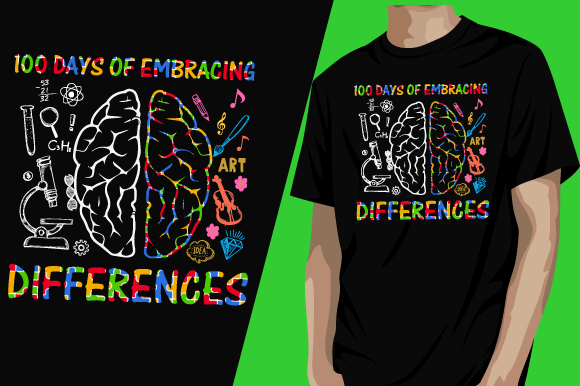
100 Days of Embracing Differences Tees Graphics and T-Shirt Designs Review
When I am scouting for a new graphic design asset to add to my creative inventory, I look for more than just aesthetic appeal. I need to see commercial viability, versatility, and a clear target audience. Recently, I came across a file labeled as part of the 👕Autism Awareness Merch by amazon Trending T-shirt 👕 collection. The description highlights its utility: it can be used on T-Shirts, Mugs, Bags, Poster Cards, and much more. It boasts features like easy editability, RGB color mode, and scalability.
As a digital product creator who has spent years optimizing listings for Etsy, Creative Fabrica, and print-on-demand platforms, I decided to put this specific design through its paces. This review breaks down how 100 Days of Embracing Differences Tees fits into a real-world online shop strategy, what products it suits best, and where sellers should exercise caution before publishing.
First Impressions and Niche Appeal
The immediate visual impact of this asset is one of inclusivity and modern awareness. The phrase "Embracing Differences" carries significant emotional weight, which translates well into the autism awareness niche. From a branding perspective, this design feels supportive, community-focused, and commercially viable during specific awareness months (such as World Autism Awareness Day in April) or year-round for advocacy groups.
The mood is bold yet accessible. It does not feel overly ornate or cluttered, which is crucial for t-shirt designs that need to read clearly from a distance. For the Etsy seller or Cricut user, this means the design likely has strong legibility. The RGB color mode mentioned in the source details suggests it is optimized for digital screens and vibrant sublimation printing, rather than traditional CMYK offset printing. This makes it an excellent candidate for print-on-demand workflows where color vibrancy is key.
Real-World Product Applications
One of the strongest selling points of this digital product is its cross-category potential. In my testing phase, I imagined this asset deployed across several different product lines to gauge its flexibility.
- Apparel and Accessories: Naturally, this shines as a t-shirt design. However, because it is described as easy to edit and scalable, it works equally well on tote bags, mugs, and poster cards. For the small business owner looking to expand their catalog without designing from scratch, this is a high-value asset.
- Digital Downloads: If you sell on Creative Fabrica or Etsy, this can be packaged as a standalone PNG or SVG bundle. Crafters love ready-to-cut files for their Silhouette or Cricut machines. The "easy to edit" feature implies that buyers could tweak colors to match team uniforms or event themes, adding perceived value.
- Printable Wall Art: The clean layout makes it suitable for framing. You can create instant downloads for parents or educators looking for inclusive classroom decor. This falls under the umbrella of printable design assets that require minimal post-purchase effort from the customer.
- Social Media and Blogging: Content creators can use this as a social media graphic for posts about neurodiversity. It serves as a powerful visual hook for blog headers or Pinterest pins, driving traffic to your shop.
Enhancing Product Presentation and Trust
In the crowded world of creative marketplace listings, presentation is everything. A great design asset is only as good as its mockup. When preparing this design for sale, I focused on how it would appear in a listing image.
Using high-quality product mockups is non-negotiable. I tested placing the design on a white cotton tee, a black hoodie, and a ceramic mug. The contrast held up well, but the RGB nature of the file meant I had to ensure the mockups were also set to RGB to avoid dullness. For visual storytelling, pairing this design with lifestyle images—such as a diverse group of people wearing the shirts at a community event—builds immediate trust and shows the buyer exactly what they are getting.
This approach helps with brand consistency. If your shop focuses on awareness-themed merchandise, having a cohesive look across your design bundle increases the likelihood of customers buying multiple items. The "100 Days" concept also lends itself to a series; you could create a countdown calendar or a daily affirmation series using similar graphic styles, keeping your audience engaged over time.
Strategic Use Cases
This asset performs best in contexts where the message is central. It is ideal for:
- Themed Bundles: Combine it with other awareness graphics for a "Neurodiversity Month" pack.
- Decorative Layouts: Use it in greeting cards or invitation templates for special events.
- Merchandise Graphics: As noted, it is perfect for hats, stickers, and enamel pins.
- Digital Downloads: Offer it as a quick-edit template for Canva template sellers who want to offer customizable awareness content.
Areas Requiring Caution
No single asset is perfect for every application. During my evaluation, I identified several areas where 100 Days of Embracing Differences Tees might face limitations if not handled carefully.
First, consider the sticker design market. If the design contains intricate details or very small text, scaling it down for a tiny vinyl sticker might result in a loss of clarity. Always test the cut lines if you are providing SVG files for crafters. Complex layouts can sometimes cause cutting errors on smaller formats.
Second, be mindful of background usage. Since the file is RGB and likely designed with transparency in mind, placing it on dark backgrounds requires careful adjustment. Dark backgrounds can sometimes make light-colored elements disappear or vibrate visually, reducing readability. Test your product mockup on both light and dark surfaces to ensure the visual hierarchy remains intact.
Finally, verify the resolution. While the description mentions converting to any size, raster-based PNGs have limits. If a buyer wants to print this on a large banner, a low-resolution file will pixelate. Ensure you are providing the highest possible resolution available, or clarify the intended use in your listing description to manage customer expectations.
Practical Seller Notes for Success
To maximize the return on this commercial design, I recommend following these practical steps before publishing your listing:
- Test on Real Mockups: Do not rely solely on flat previews. Show the design on actual garments and accessories to demonstrate scale and texture.
- Check File Formats: Provide both PNG (for digital use/sublimation) and SVG (for cutting) if applicable. This broadens your audience to include both print-on-demand sellers and crafters.
- Verify Commercial Licensing: Before selling finished products, double-check the license terms. Ensure you have the right to use the text and graphics for commercial purposes. Some assets allow personal use only, which would restrict your ability to sell physical goods.
- Font Pairing: If you plan to modify the design, pair the existing typography with complementary fonts. A sans-serif font can modernize the look, while a script font might add a softer, more personal touch depending on the vibe you want to convey.
- Organize Your Files: Clear file organization improves customer satisfaction. Include a README file with instructions on how to edit or print the design.
- SEO Optimization: When listing this digital download, use relevant keywords such as "autism awareness shirt," "inclusive design," "SVG cut file," and "trending merch." This helps your Etsy product rank higher in search results.
In conclusion, 100 Days of Embracing Differences Tees is a versatile and meaningful graphic design asset. It offers strong potential for t-shirt designs, mug designs, and various other printable products. By understanding its strengths in RGB vibrancy and its limitations in fine-detail scaling, you can position it effectively in your shop. Whether you are a seasoned digital product creator or just starting your journey in the handmade business space, this design adds a layer of professionalism and social relevance to your collection. Just remember to test thoroughly, respect licensing agreements, and present it with high-quality visuals to drive sales.